Videos are one of the top avenues for marketing, but it’s not as impactful to just set up a camera and become a talking head without clear direction or a purpose. Storytelling is a process and there are a few ways to execute it well. The predevelop process kicks in to decide what kind of story is being told. Is it a personal or an organisation’s story? Upcoming or past event? Who are the target audiences? It is important to be specific as well as adapt to the audience interest as well as level of understanding by taking an audience-oriented approach. Administrative planning also comes into play with meticulous being the key factor in maximizing video production efficiency and effectiveness. In the production stage, it translates the idea into a screen-tv, video or film and there is a need for coordination between production and technical people. Video making equipment will be needed here and adjustments could be made to the pre-planned decisions.
There are five broad storytelling techniques and first is the monomyth, where the main lead ventures into the unknown which is typically adopted in Korean dramas. Next, we have the mountain, which typically portrays a hero overcoming a difficulty which then leads to a sequel. Sparklines thread around the concept of hope versus reality and is usually seen in reality shows while nested loops have ideas that are constantly developing with the story. Lastly, converging ideas have different part of the stories coming together to tell a main story. Images and audios play an important role in enhancing a story and it is important to infuse personalities as well as to structure the story with a start, mid-section and end.
According to Mr Azahar Abdul-Salam, Course Manager for Diploma in Mass Media Management at Nanyang Polytechnic, “The sad truth about audience is that people will take more of what they need to know from organisations that give them what they want to know. Hence, it is vital to understand how audiences spend their time and utilise their needs to our advantage.”. For viewers to be attracted to the story, it must be driven, current and flexible and this can be achieved by using credible, trustworthy transparent media to communicate stories and information to enhance an organisation’s strategic goals. Users must incorporate visuals such as colour, repetition, association and rule of thirds etc in their content for it to be captivating.
All in all, video production is a tedious process that requires meticulous planning and the biggest mistake is to set out to do a video story without knowing who the audience is.
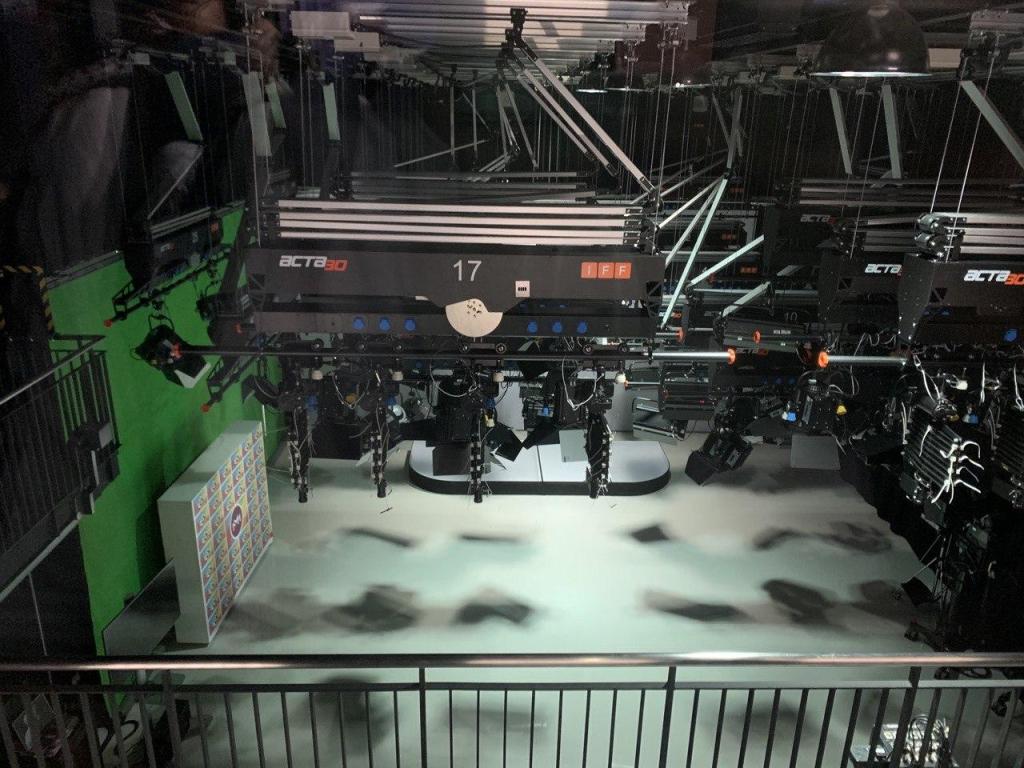
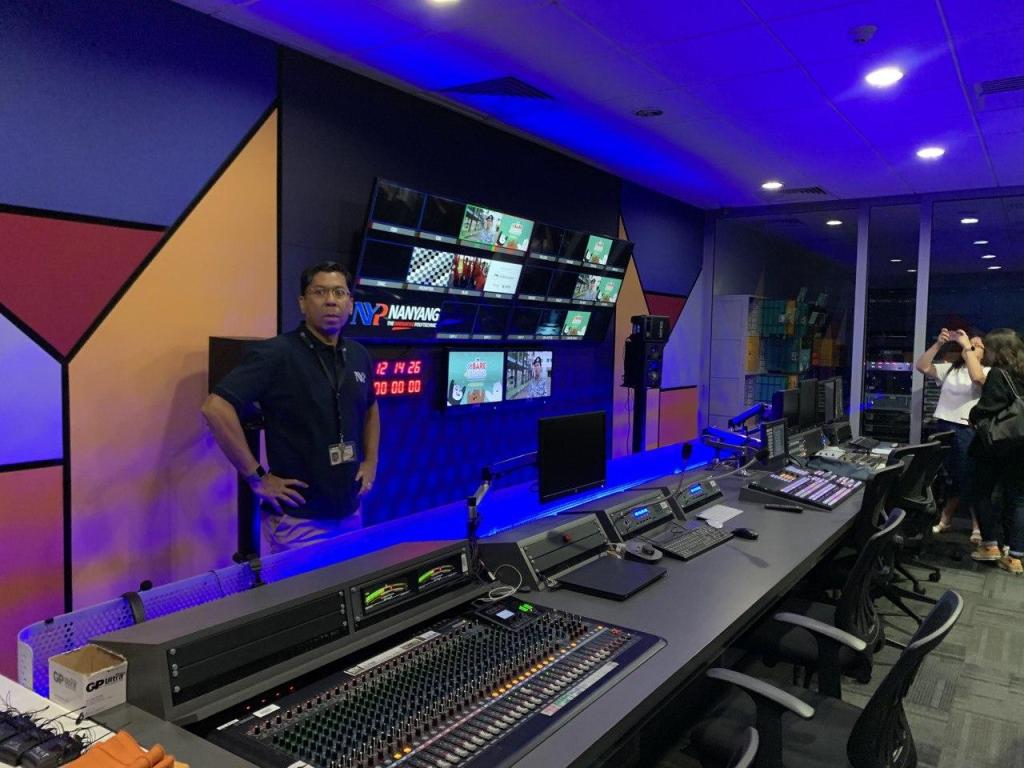
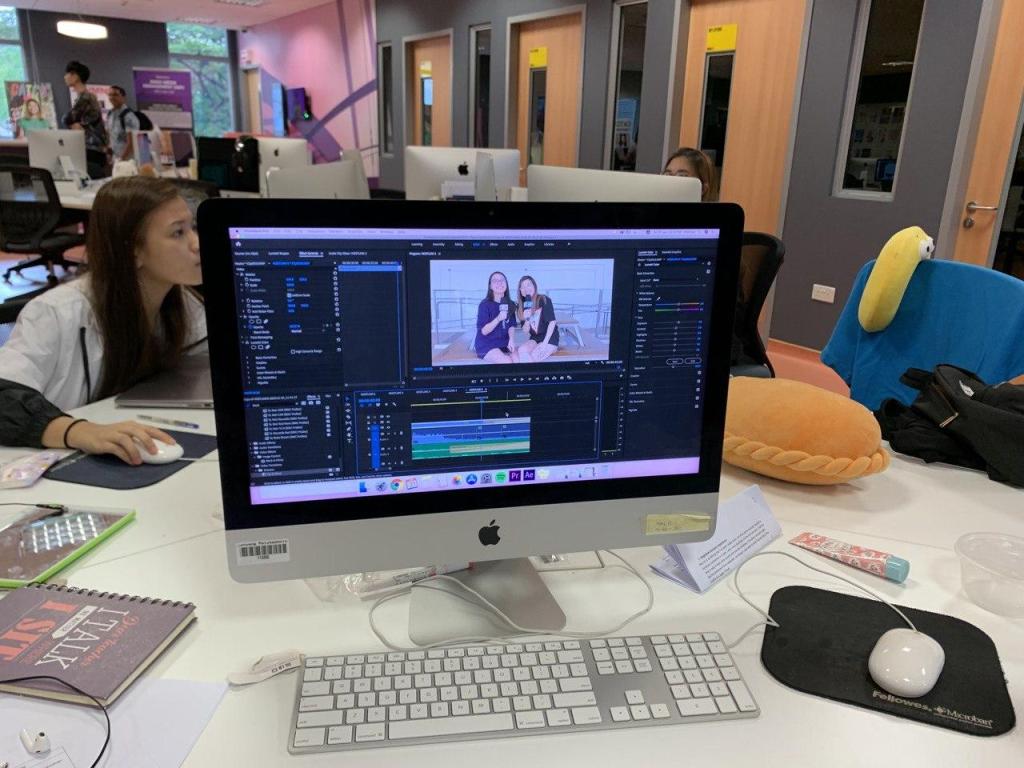
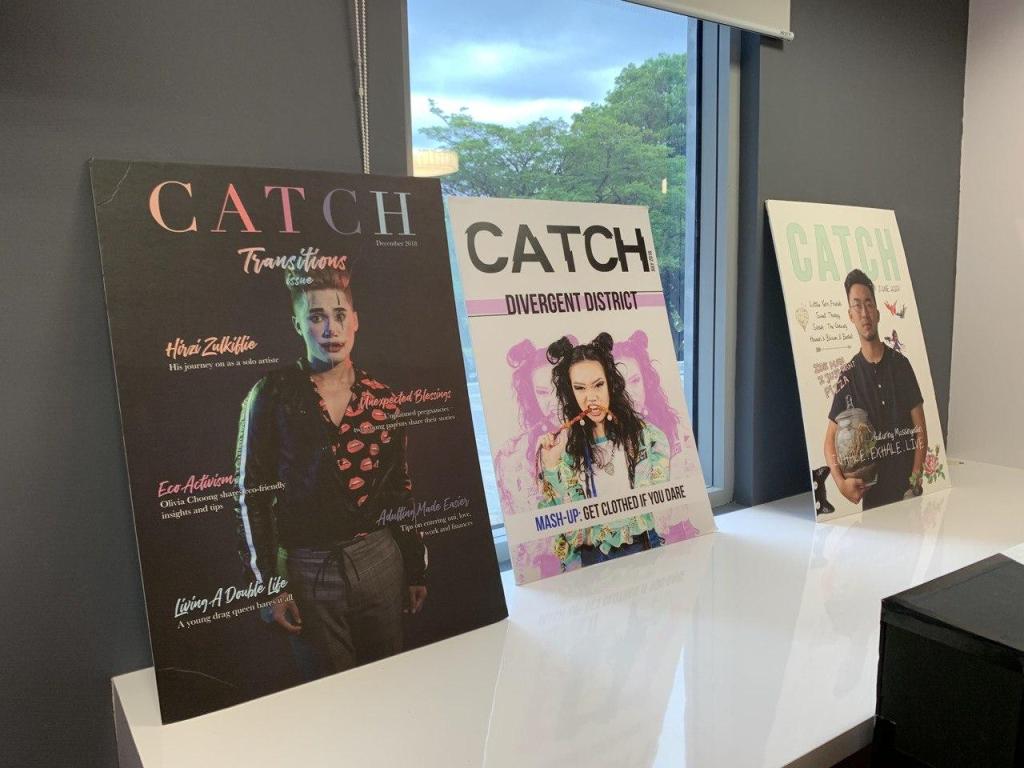
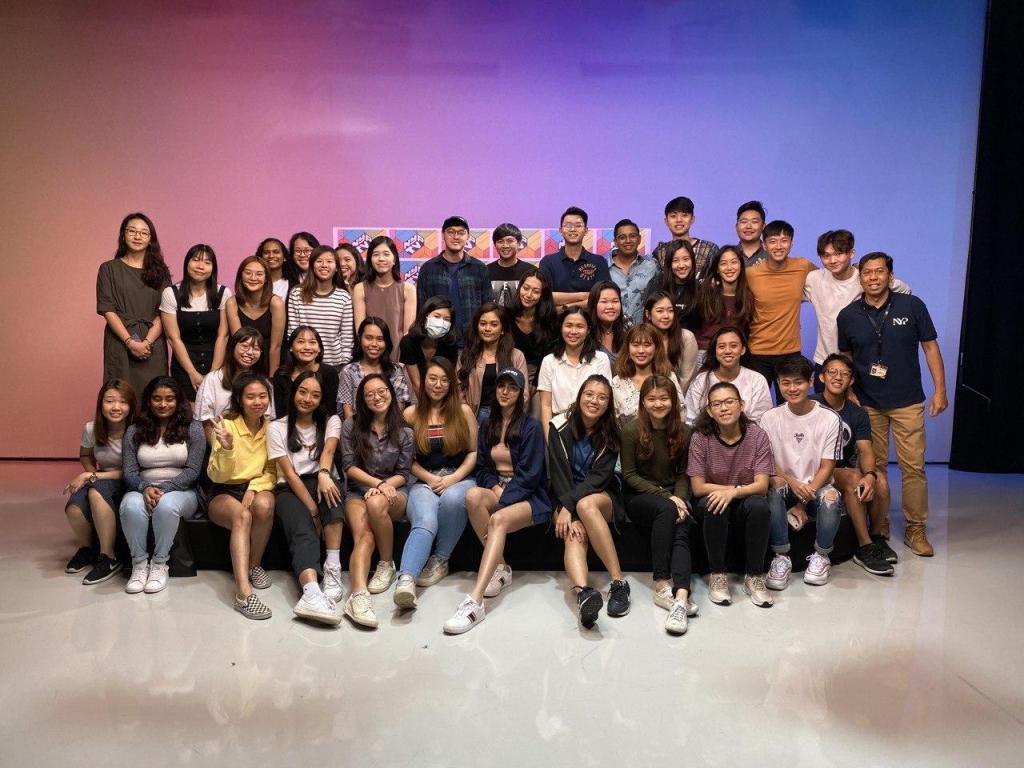
Photos taken during the tour at Republic Polytechnic’s Studio:
 Tourism Media